OpenClaw shows how small businesses use AI staff
Small business owners are using OpenClaw to run AI workers that draft, summarize, and monitor work overnight.

Small business owners are using OpenClaw to run AI workers that draft, summarize, and monitor work overnight.
In March, one OpenClaw agent summarized the day’s aviation news, including the deadly LaGuardia crash tied to an air traffic control mistake. The line that stuck was eerie and very human: “I messed up.”
The New York Times piece about OpenClaw is really about a new kind of small-business software habit: owners are no longer asking a chatbot for a single answer, they are assigning it ongoing work. That shift matters because it changes AI from a helper on demand into something closer to a night shift employee.
| Detail | What the article says |
|---|---|
| Timeframe | March 2026 |
| Notable output | Aviation-news summary after the LaGuardia crash |
| Bottom line | OpenClaw is useful, but it is not about to replace every office job |
OpenClaw is built for ongoing work, not one-off prompts
Get the latest AI news in your inbox
Weekly picks of model releases, tools, and deep dives — no spam, unsubscribe anytime.
No spam. Unsubscribe at any time.
Most people still use AI like a search box with better manners. OpenClaw asks a different question: what if software could keep working after you close the tab?
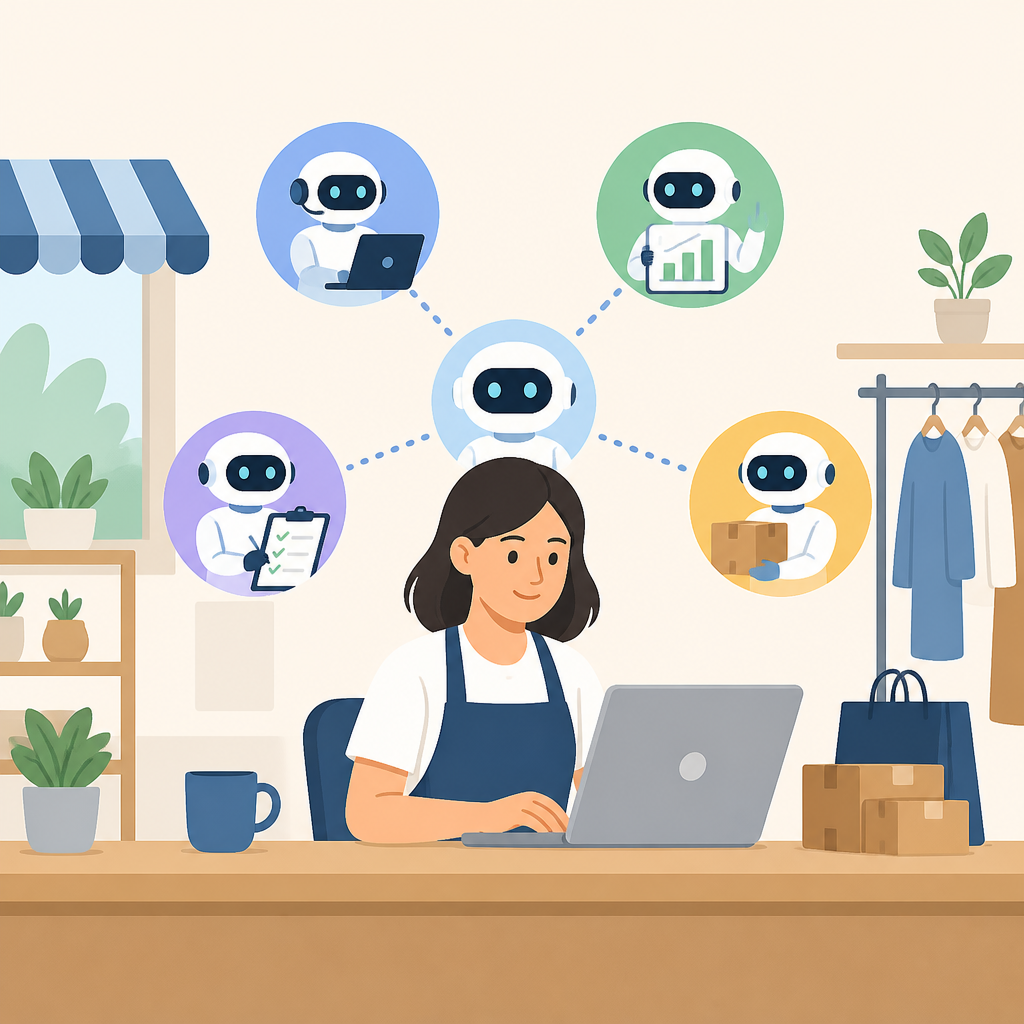
That matters for small companies, where the owner often does the work of a manager, editor, analyst, and customer support lead all in the same day. An agent that can keep reading, drafting, and summarizing while the business owner sleeps is valuable even if it is imperfect.
The appeal is practical, not philosophical. If an AI worker can monitor news, condense long updates, or prepare a first draft before sunrise, that saves time in a business where time is the scarcest resource.
- AI agents can keep a task alive across hours, instead of waiting for a new prompt.
- Small businesses care more about saved labor than flashy demos.
- OpenClaw’s value comes from repetitive knowledge work, where speed matters more than creativity.
The LaGuardia example shows both the strength and the risk
The aviation summary is a good example because it shows how fluent these systems have become. The agent did not just extract facts; it produced a line with tone, judgment, and a weirdly sharp sense of irony.
That is exactly why people are paying attention. A system that can write a readable summary of a fast-moving news event can also misread context, overstate certainty, or make something sound more complete than it really is.
“I messed up,” said the air traffic controller quoted in the article’s example of the LaGuardia crash coverage.
The quote matters because it reminds you that the source material is messy, emotional, and real. AI can compress that mess into a neat paragraph, but compression is also where errors slip in.
For small-business owners, the lesson is simple: AI agents are best used where a wrong first draft is acceptable and a human review is still part of the process.
This is where AI workers beat chatbots
A chatbot answers when asked. An agent can keep a job moving without a fresh instruction every time. That difference sounds small, but it changes how people organize work.
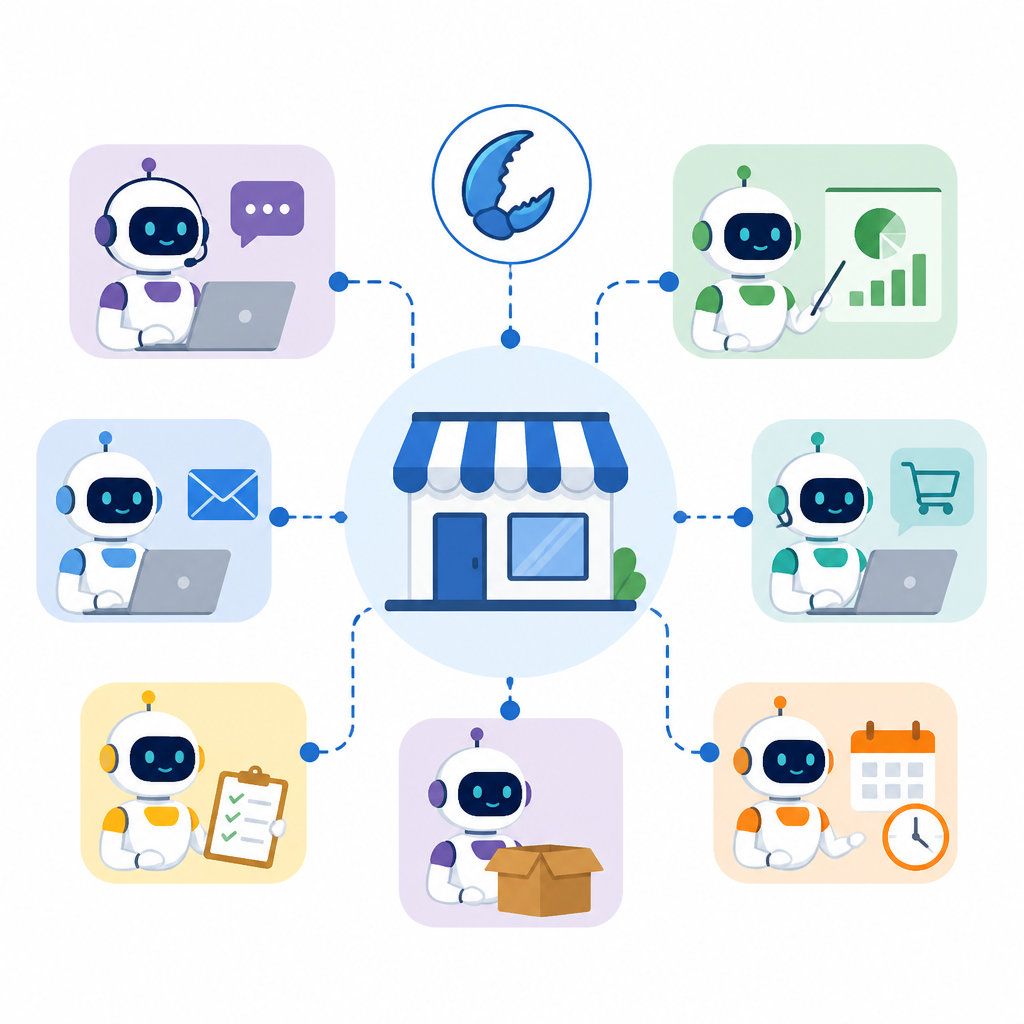
OpenClaw belongs to the group of tools that try to turn AI into an operational layer for small teams. The software is less about replacing a person and more about reducing the number of tiny tasks that interrupt a person all day.
Compared with ordinary chat tools, the agent model has a few concrete advantages:
- It can process a stream of information overnight.
- It can produce a draft before a human opens email.
- It can keep a narrow task going without constant supervision.
- It can be used by a tiny team that cannot afford extra staff.
That said, the article’s own framing is important: OpenClaw is not poised to take over everyone’s office job. That is the right level of skepticism. The current value is in augmentation, not total replacement.
If you run a small company, the real question is not whether AI can think like a person. It is whether the system can remove enough routine work to give you back two or three usable hours every day.
The better test is whether the output saves real labor
AI tools are often judged by their cleverness, which is the wrong metric. A better test is whether they save time, reduce context switching, and produce work that a human can quickly edit into something usable.
That is why stories like this matter more than generic “AI will change everything” coverage. They show the actual operating model: one owner, a small team, and a stack of AI workers doing narrow tasks that would otherwise eat the day.
For readers tracking this space, the useful comparison is between agent software and traditional automation. Traditional automation is rigid. Agents are more flexible, but that flexibility brings more room for mistakes and more need for oversight.
In practice, that means the best early use cases are probably the boring ones: summaries, inbox triage, research digests, draft responses, and status updates.
For more on this shift, see our related coverage of AI agents in enterprise workflows and small-business AI tools.
The next step is supervision, not full autonomy
OpenClaw’s real significance is that it makes AI labor feel operational instead of experimental. That is a big step, but it does not remove the need for human judgment.
My read is that the next wave of small-business AI will look less like a single assistant and more like a managed crew: one agent for research, one for drafting, one for monitoring, all checked by a person who knows the business.
That is the model to watch over the next year. The businesses that get the most value will be the ones that treat agents like junior staff with narrow assignments, clear review steps, and hard limits on what they can do alone.
If OpenClaw is a sign of where this is heading, the winning strategy is not blind trust. It is disciplined delegation.
// Related Articles
- [AGENT]
Kimi K3 Benchmark Evaluation Guide for Coding Agents
- [AGENT]
Meta’s first paid model proves AI coding is now a price war
- [AGENT]
Claude Code turns chat into terminal work
- [AGENT]
Decentralized AI compliance should be built into agent rails, not bol…
- [AGENT]
Open-Source AI Agent Frameworks Compared
- [AGENT]
Codex Micro turns a macropad into an AI control deck