Windows is becoming an agent runtime, not a human desktop
OpenClaw’s Windows alpha shows Microsoft is turning Windows into a governed agent runtime.

OpenClaw’s Windows alpha shows Microsoft is turning Windows into a governed agent runtime.
Windows is no longer being built first for a person clicking through dialogs; it is being rebuilt to host software agents that act inside enforced boundaries. OpenClaw’s Windows alpha, now on GitHub, is the clearest signal yet: multi-step workflows can run natively under OS control instead of inside an unmanaged user session. That shift matters because the operating system is becoming the policy layer for agent work, not just the shell around it.
Windows is moving from interface to enforcement
Get the latest AI news in your inbox
Weekly picks of model releases, tools, and deep dives — no spam, unsubscribe anytime.
No spam. Unsubscribe at any time.
The most important detail in the OpenClaw announcement is not that it runs on Windows, but where it runs. By operating inside OS-forced boundaries, the agent is no longer a loose script poking at a desktop from the outside. It is now a managed workload that the platform can constrain, observe, and interrupt. That is a fundamentally different product category.
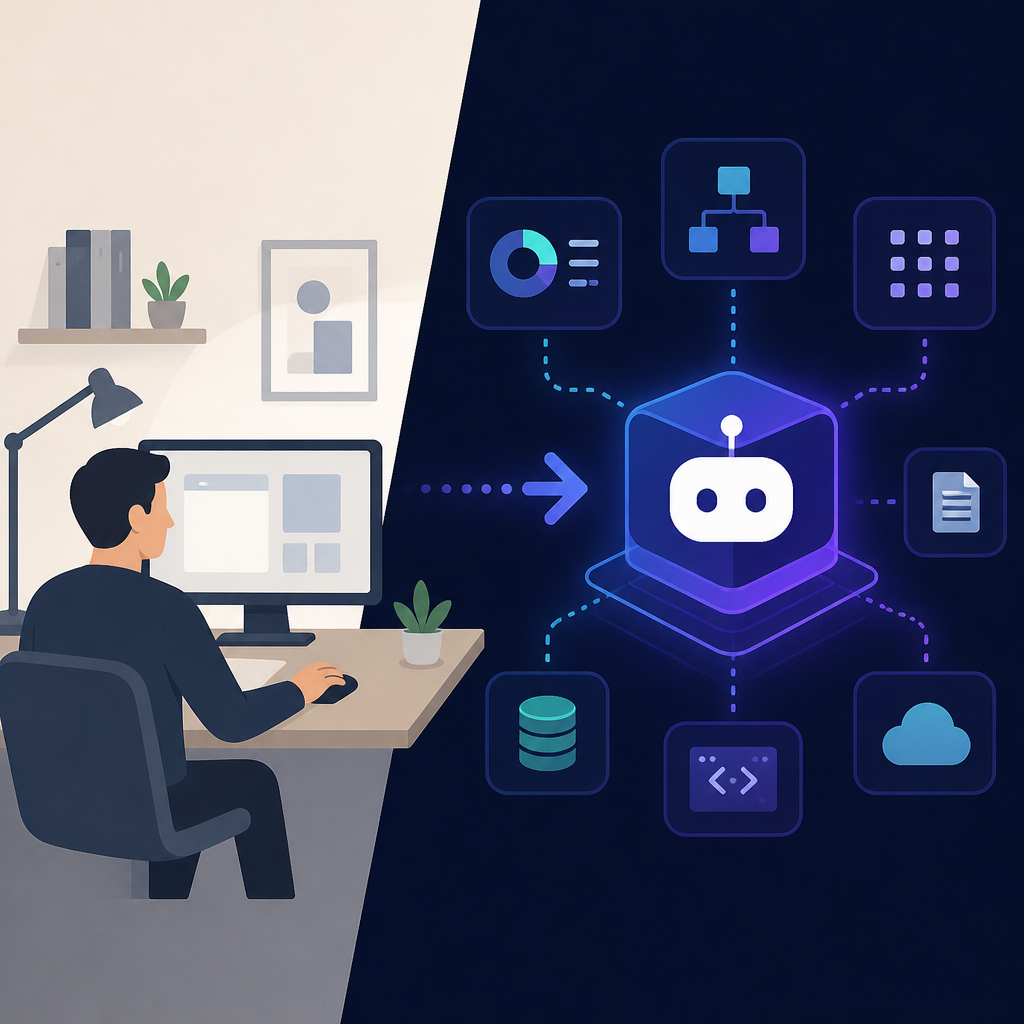
We have seen this pattern before in cloud computing. The moment workloads moved from ad hoc servers into managed containers and runtimes, the platform owner gained leverage over security, scheduling, and observability. Windows is following the same playbook for agentic software. The desktop is becoming a runtime substrate for autonomous tasks, and the old idea of a “personal” operating system is giving way to a governed execution environment.
Agent workflows need control, not just access
Multi-step agents are dangerous when they live in unmanaged sessions because they can drift, retry, and chain actions without a clear policy boundary. A browser automation flow that logs in, reads files, edits settings, and sends messages is not just a convenience feature. It is a process with real side effects. If that process runs outside OS control, every step becomes a security and reliability liability.
OpenClaw’s native Windows support addresses that problem directly. When the operating system enforces the boundary, it can decide what the agent may touch, what it must not touch, and when it must stop. That is the difference between a demo and infrastructure. Enterprises do not adopt agent systems because they are clever; they adopt them when the platform can make them governable. Windows is now competing on governance, not novelty.
Open source adoption is the real market signal
OpenClaw’s growth on GitHub matters because open source is where developer intent shows up first. Fast-moving adoption in the repository ecosystem usually means teams are testing the primitive before vendors can package the product. When an open project becomes one of GitHub’s fastest-growing repositories, it signals that the underlying workflow has crossed from theory into active experimentation.
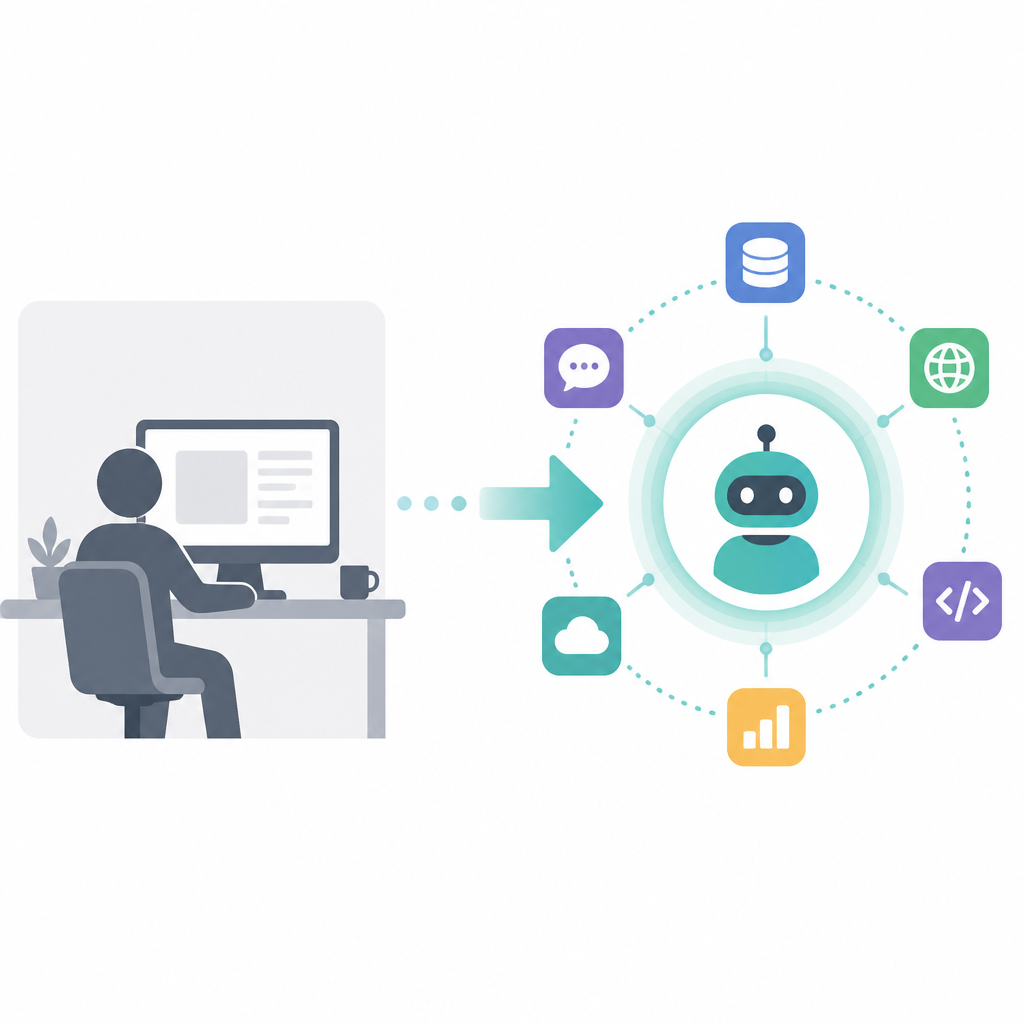
That matters even more for Windows because the platform has long been associated with legacy software, not agent-native execution. If developers are rushing to build around OpenClaw, they are not just reacting to a feature release. They are voting for a new operating model: agents as first-class workloads on the desktop. The market is telling Microsoft that the next platform battle is not about prettier UI. It is about who controls autonomous action on the machine.
The counter-argument
The strongest objection is simple: Windows is still a human operating system at its core, and agents are just another automation layer. People will still need desktops, mice, keyboards, and apps designed for direct interaction. In that view, agent support is an add-on, not a rewrite. The OS remains what it has always been, only with better scripting hooks.
There is also a practical limit to how far governance can go. An OS can constrain a workflow, but it cannot remove the complexity of permissions, app compatibility, or user trust. If agents break things, users will blame the platform. If they are too restricted, they will be useless. So the skeptic is right about one thing: agent runtime design does not erase the human desktop overnight.
That objection misses the strategic shift. A platform does not need to eliminate human use to change its center of gravity. It only needs to make the new workload class more valuable than the old one. Windows is doing exactly that by making agent execution native, controlled, and scalable. The desktop remains, but it is no longer the primary unit of design. The primary unit is the governed workflow.
What to do with this
If you are an engineer, stop treating agent automation as a browser hack or a background script. Design for OS-level boundaries, explicit permissions, and auditable steps. If you are a PM, define the workflows that become safe and valuable only when the platform can supervise them. If you are a founder, build for the new assumption: users will not want agents that merely act. They will want agents that act inside a system they can trust.
// Related Articles
- [AGENT]
Kimi K3 Benchmark Evaluation Guide for Coding Agents
- [AGENT]
Meta’s first paid model proves AI coding is now a price war
- [AGENT]
Claude Code turns chat into terminal work
- [AGENT]
Decentralized AI compliance should be built into agent rails, not bol…
- [AGENT]
Open-Source AI Agent Frameworks Compared
- [AGENT]
Codex Micro turns a macropad into an AI control deck