Codex brings ChatGPT into work and code tasks
Codex in ChatGPT helps teams turn work data, code tasks, and follow-ups into faster drafts and summaries.

Codex in ChatGPT helps teams turn work data, code tasks, and follow-ups into faster drafts and summaries.
Codex is OpenAI’s assistant for work and code, and the pitch is simple: point it at a task, and it can help with KPI readouts, pipeline updates, finance reviews, launch briefs, renewal prep, recruiting packets, customer summaries, bug triage, prototype builds, and follow-ups. That is a wide spread of office work for one tool, and it tells you where OpenAI wants this product to live: inside the daily grind, not in a demo reel.
What matters here is the mix. Some of those tasks are text-heavy, like launch briefs and customer summaries. Others are more technical, like bug triage and prototype builds. Codex is trying to sit in the middle, where product managers, support teams, sales ops, finance, and engineers all need quick first drafts or structured output.
| Task type | Examples from Codex | Typical output |
|---|---|---|
| Business reporting | KPI readouts, pipeline updates, finance reviews | Summaries, status notes, decision-ready bullets |
| Go-to-market work | Launch briefs, renewal prep, customer summaries | Drafts, account notes, follow-up emails |
| Technical work | Bug triage, prototype builds | Issue breakdowns, starter code, implementation notes |
| Hiring and ops | Recruiting packets, follow-ups | Candidate briefs, next-step messages |
Codex is aiming at the work that eats time
Get the latest AI news in your inbox
Weekly picks of model releases, tools, and deep dives — no spam, unsubscribe anytime.
No spam. Unsubscribe at any time.
The product list gives away the use case. Most teams do not need help with one giant task; they need help with dozens of small ones that pile up across the week. A KPI readout needs context, a pipeline update needs clean phrasing, and a bug triage note needs enough structure that the next engineer can act on it quickly.
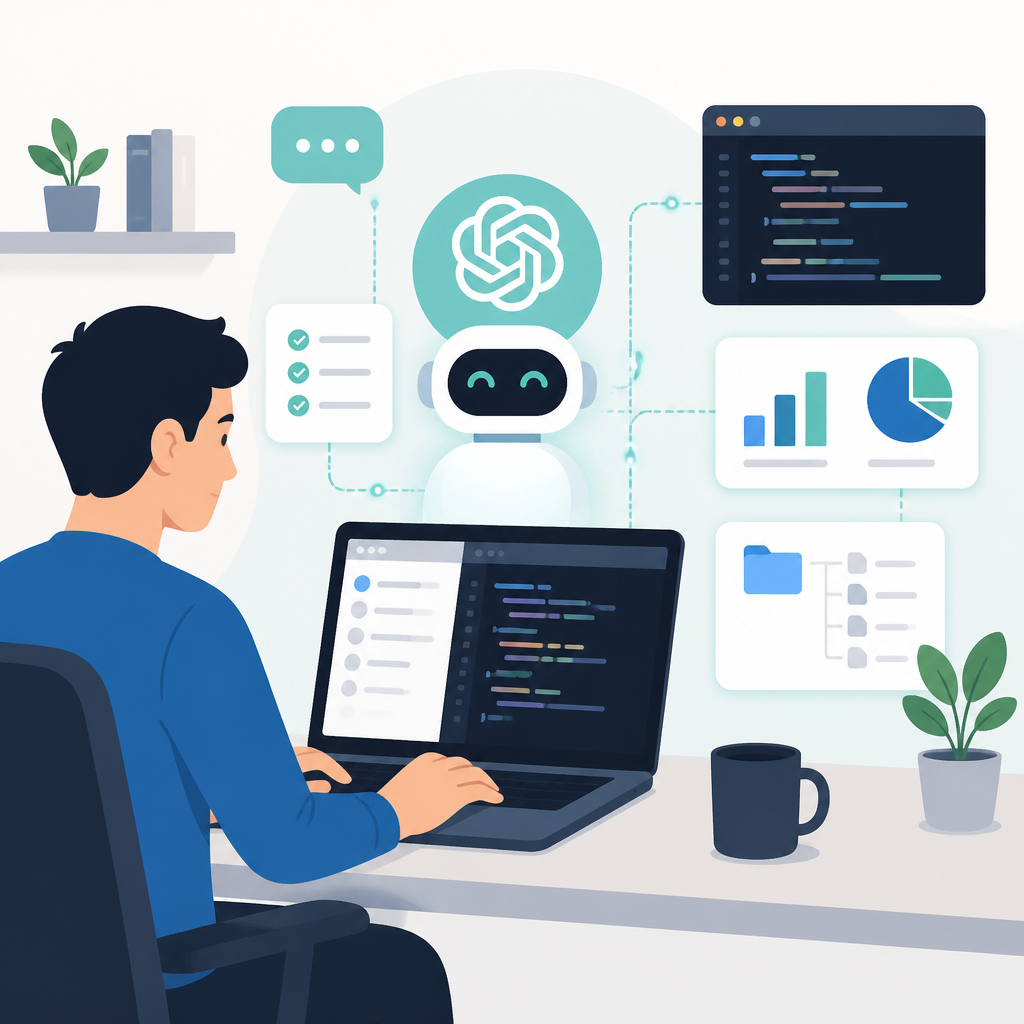
That is where a tool like OpenAI’s Codex can matter. If it can consistently turn messy inputs into usable drafts, it becomes part writing assistant, part analyst, and part coding helper. The value is less about replacing a specialist and more about cutting the time between raw information and something a team can use.
- KPI readouts and finance reviews need concise summaries with numbers intact.
- Recruiting packets and renewal prep need clean context for fast decisions.
- Bug triage and prototype builds need structure that can move into action.
- Follow-ups and customer summaries need tone control and enough detail to avoid confusion.
The real test is whether Codex stays accurate under pressure
The hard part of any assistant like this is not producing text. It is keeping the text grounded in the source material when the request gets messy, incomplete, or contradictory. A finance review that drops a percentage point or a customer summary that misses one complaint can create more work than it saves.
OpenAI has spent years pushing ChatGPT into more practical workflows, from the main product at ChatGPT to developer-facing tools like OpenAI Codex. The new Codex page suggests the company wants one assistant to cover both business writing and software work, which is a smart bet if the output stays reliable.
“The future of software is about making programming more like a conversation.” — Greg Brockman, OpenAI co-founder and president
That quote from Greg Brockman fits the broader idea behind Codex. If code and work output can both start from plain language, then the bottleneck shifts from typing to checking. That is a useful trade for teams that already spend too much time turning Slack threads, spreadsheets, and tickets into something readable.
Codex sits in a crowded field, but the use cases are clear
There are plenty of tools that can summarize text or draft code, but Codex is being framed around specific business chores. That matters because broad AI tools often sound impressive and then fade into novelty. Task-specific positioning gives people a reason to try it in a real workflow.
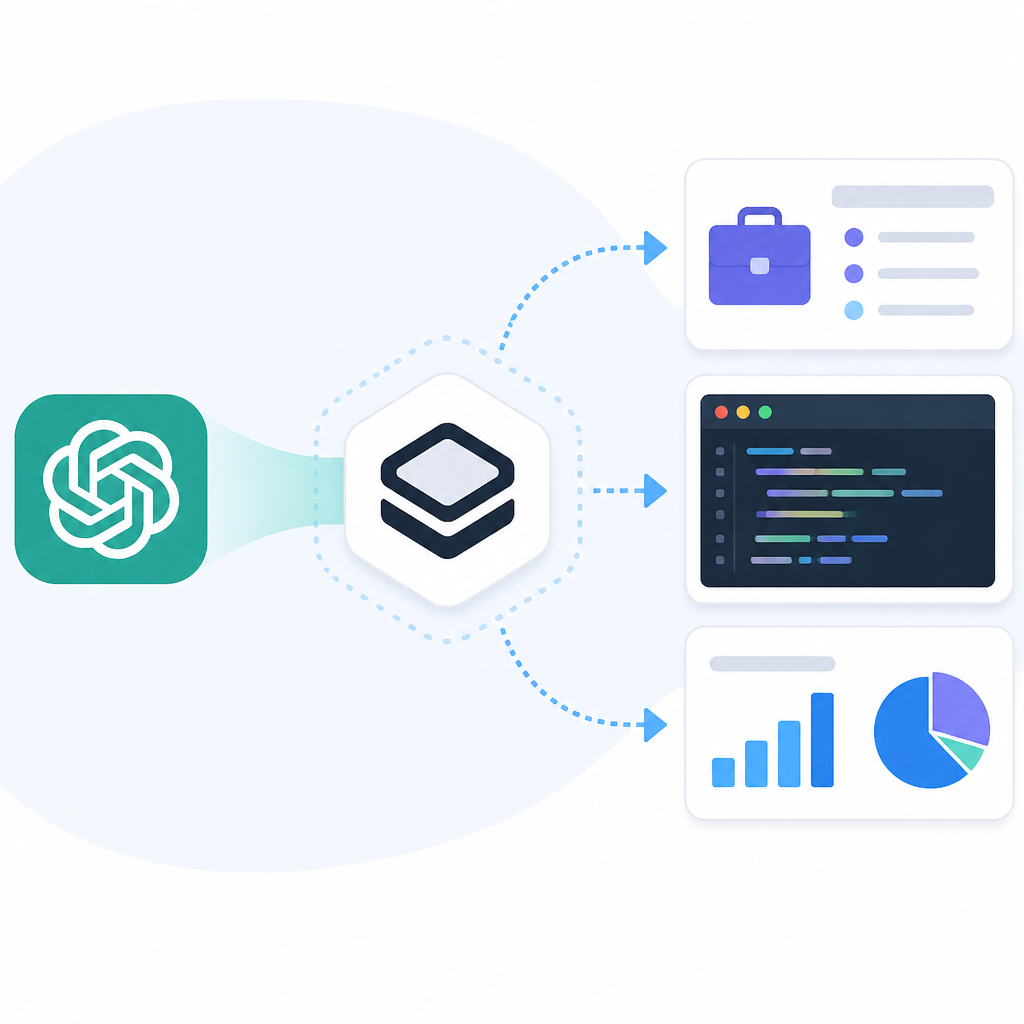
Compared with a general chat assistant, Codex is being sold with a tighter promise: help with the work that already exists inside companies. That includes sales updates, launch notes, recruiting materials, and engineering triage. The more a tool can map to a recurring process, the easier it is for teams to justify using it every week.
- Claude focuses heavily on writing and analysis.
- ChatGPT covers a broader set of general tasks.
- GitHub Copilot stays closer to coding inside the editor.
- Codex tries to bridge office work and code work in one place.
What to watch next
If Codex keeps improving, the most interesting shift will be boring on the surface: fewer blank documents, fewer stale status updates, and fewer hand-written summaries that take half an afternoon to polish. The best version of this product will not feel flashy. It will feel like the first draft is already 80 percent done.
The next question is whether teams trust it enough to put real internal data, customer context, and code-adjacent work through it every day. If OpenAI can make that feel safe and predictable, Codex could become one of the default tools people open before they write a memo, file a ticket, or start a prototype.
// Related Articles
- [AGENT]
Kimi K3 Benchmark Evaluation Guide for Coding Agents
- [AGENT]
Meta’s first paid model proves AI coding is now a price war
- [AGENT]
Claude Code turns chat into terminal work
- [AGENT]
Decentralized AI compliance should be built into agent rails, not bol…
- [AGENT]
Open-Source AI Agent Frameworks Compared
- [AGENT]
Codex Micro turns a macropad into an AI control deck